


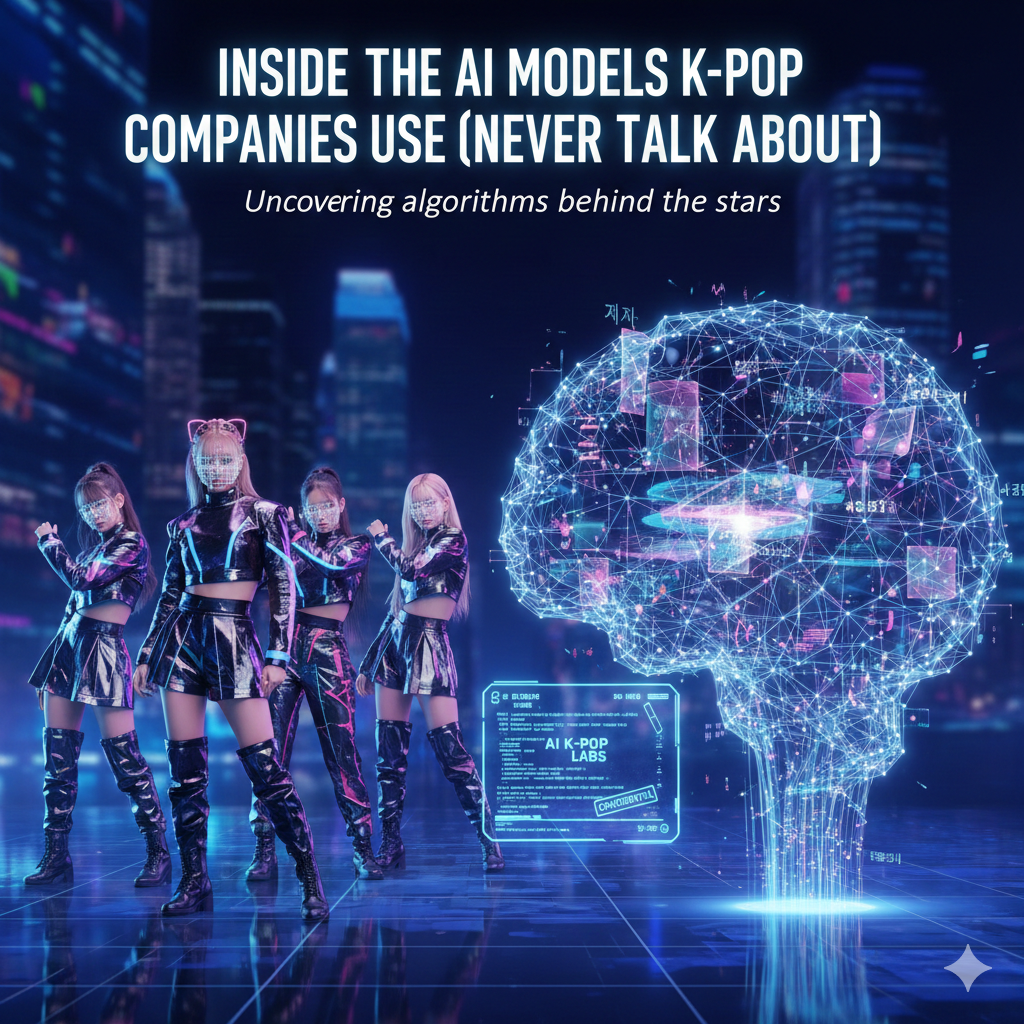
How algorithms quietly shape idols, hits, and fandoms
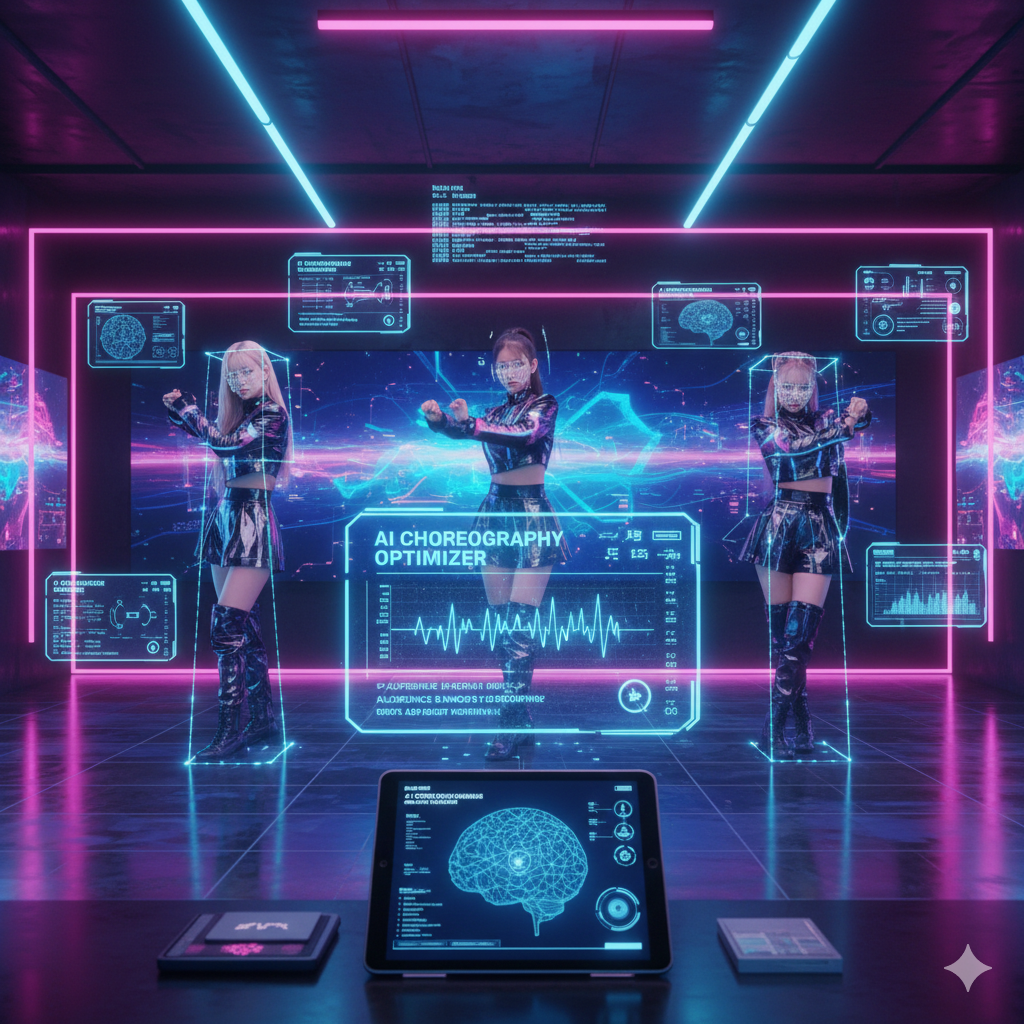
Why Every K-Pop Comeback Feels “Perfect” (And Why That’s Not an Accident)
Have you ever noticed how K-Pop comebacks feel almost too perfectly timed?
The teaser drops when Twitter is quiet.
The chorus is catchy enough for TikTok.
The point dance becomes a trend within days.
The member you didn’t notice before suddenly goes viral.
Fans call it luck. Companies call it strategy.
The truth? Artificial intelligence is doing more work than anyone admits.
Behind every polished performance and viral moment, AI models used by K-Pop companies quietly analyze millions of data points—songs, faces, fan emotions, even how long you replay a fancam.
And no, this isn’t science fiction. It’s already happening.
How AI Decides If a Song Is “Comeback-Worthy”
A realistic scenario inside a K-Pop agency
A mid-tier K-Pop group records 12 demo songs for their next album.
Traditionally, executives would listen and choose based on gut feeling.
Today, many companies do something else first.
They run the demos through predictive AI models.
What the AI checks:
- Does the chorus start before the 45-second mark?
- Is the BPM suitable for short-form videos?
- How similar is this melody to past viral K-Pop hits?
- Do lyrics trigger high-emotion keywords?
The AI then assigns a “hit probability score.”
👉 One song scores 82%.
👉 Another scores 41%.
Guess which one becomes the title track?
This is why many K-Pop songs feel engineered to hook you fast—because they are.
AI Watching Trainees When Humans Aren’t
The part fans rarely imagine
During dance practice, cameras aren’t just recording for evaluation videos.
Some agencies use computer vision AI to analyze:
- How often a trainee misses synchronization
- Facial expression consistency
- Energy drop after repeated takes
- Micro-hesitation in movements
Imagine two trainees:
- Trainee A dances powerfully but breaks expression under pressure.
- Trainee B is technically weaker but emotionally consistent.
The AI flags Trainee B as “higher long-term stage reliability.”
This data influences:
- Line distribution
- Center positions
- Even debut decisions
Talent still matters—but data-backed talent matters more.
Why One Member Suddenly Gets More Screen Time
Ever wondered why:
“Why is this member suddenly everywhere?”
This isn’t random.
Behind the scenes:
AI-powered fan sentiment analysis tools scan:
- Comments on YouTube
- Twitter/X mentions
- Weverse reactions
- TikTok edits and saves
The AI notices:
- Fans are emotionally attached to a member’s smile
- Clips featuring that member have higher rewatch rates
- International fans engage more with their content
Result?
- More close-up shots in MVs
- More solo interviews
- More center moments in choreography
From the fan’s perspective, it feels organic.
From the company’s side, it’s data-optimized popularity amplification.
How AI Knows Which Country to Target Next
Why does a group suddenly:
- Release a Japanese version?
- Tour Latin America?
- Do English interviews now, not earlier?
AI models similar to Netflix recommendation systems analyze:
- Streaming spikes by country
- Playlist placements
- Fan merchandise shipping data
- Time-zone engagement patterns
Realistic outcome:
The AI detects unusually high engagement from Brazil—even without promotions.
Next steps:
- Portuguese subtitles
- Local influencer collaborations
- Tour stop added
- Region-specific merch
Fans feel “finally noticed.”
In reality, AI noticed them first.
AI Protecting (and Controlling) Idol Voices
K-Pop schedules are brutal. Voices break silently.
Some agencies now use audio AI models to:
- Detect vocal strain early
- Measure pitch stability over weeks
- Identify fatigue patterns
If the AI detects risk:
- Lines may be reassigned
- Lip-syncing increases
- Activities are “adjusted” quietly
This explains why:
- Some idols suddenly get fewer high notes
- Live arrangements change without explanation
It’s not favoritism—it’s machine-detected risk management.
The Dark Side: When AI Goes Too Far
AI doesn’t understand emotions—it understands patterns.
The dangers:
- Idols pushed to maintain “high-performing” expressions
- Creativity sacrificed for predictability
- Fans unknowingly becoming data points
- Parasocial bonds optimized for profit
When an idol feels “manufactured,” AI is often part of the reason.
Why Companies Stay Silent About AI
Because saying:
“An algorithm helped decide your bias’s screen time”
would break the illusion.
K-Pop thrives on emotional connection.
AI thrives on optimization.
Admitting this openly risks:
- Fan backlash
- Ethical debates
- Brand damage
So AI remains the industry’s best-kept secret.
The Future of K-Pop: Human Emotion, Machine Precision
AI will not replace idols.
But it will:
- Decide which ones shine
- Shape how fans discover them
- Influence what emotions are amplified
The future K-Pop star won’t just be talented.
They’ll be algorithm-compatible.
Final Thoughts: Once You See It, You Can’t Unsee It
The next time a comeback feels perfectly timed,
or a member suddenly goes viral,
or a song feels built for replay…
Remember—
there’s probably an AI model working quietly behind the scenes.
Not to kill creativity.
But to control chaos in the world’s most competitive music industry.
FAQs: AI in the K-Pop Industry
Do K-Pop companies really use AI?
Yes. Most mid-to-large K-Pop agencies use AI for music analysis, fan sentiment tracking, global expansion planning, and idol performance evaluation—though they rarely disclose details publicly.
Does AI decide which idol becomes popular?
AI does not create popularity, but it amplifies it. When data shows a member gaining traction, companies adjust promotions to maximize engagement.
Can AI replace K-Pop producers or idols?
No. AI supports decision-making and reduces risk, but creativity, performance, and emotional connection remain human-driven.
